Cabin Renovation vs. Full Restoration: What’s the Difference?
Cabins in Cedar Mountain, NC carry a unique charm that homeowners want to preserve—but when it comes time to update or repair them, many people aren’t sure whether they need a renovation or a full restoration. While the terms are often used interchangeably, they represent very different scopes of work. Understanding the difference can help you make the right decision for your cabin, your budget, and your long-term goals.
What Is Cabin Renovation?
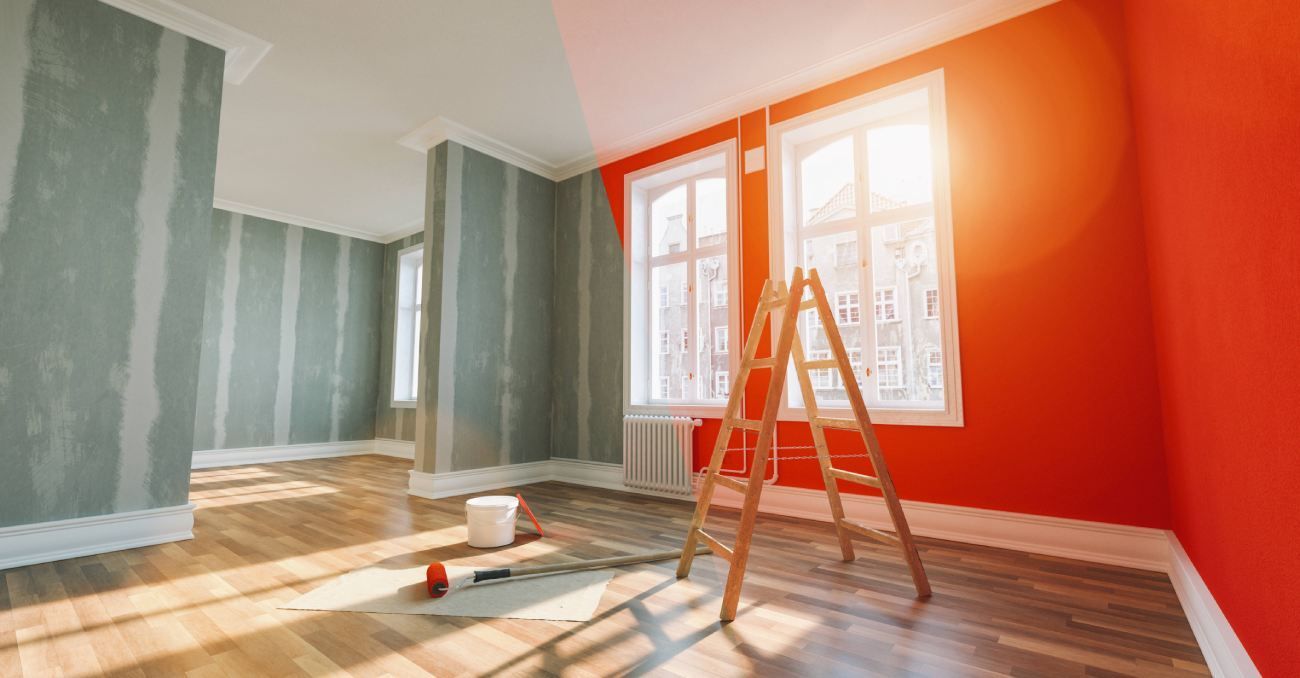
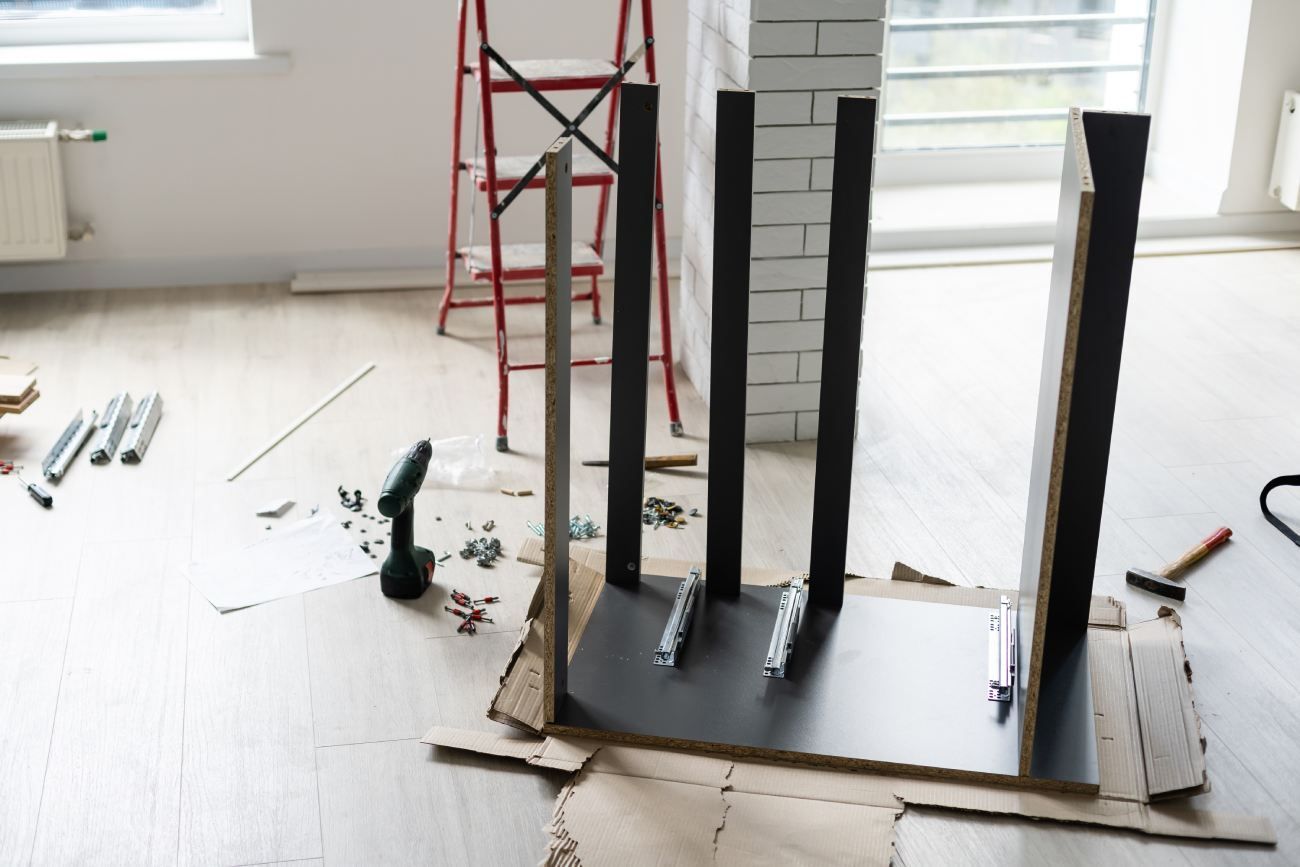
Cabin renovation focuses on improving the appearance, comfort, and functionality of a structure without fundamentally altering its core structure. This type of project is typically chosen when the cabin is still in relatively good condition but needs updates to meet modern living standards.
Renovations often include cosmetic upgrades such as new flooring, updated kitchens or bathrooms, interior repainting or refinishing, and improved lighting. In mountain cabins, this might also involve upgrading insulation, replacing old windows, or installing more efficient heating systems to improve energy performance.
The key characteristic of a renovation is that the structure itself remains largely intact. Walls, foundation, and major framing components are usually left untouched unless minor repairs are needed. Renovation is ideal for cabins that are structurally sound but outdated in style or functionality.
What Is Full Cabin Restoration?
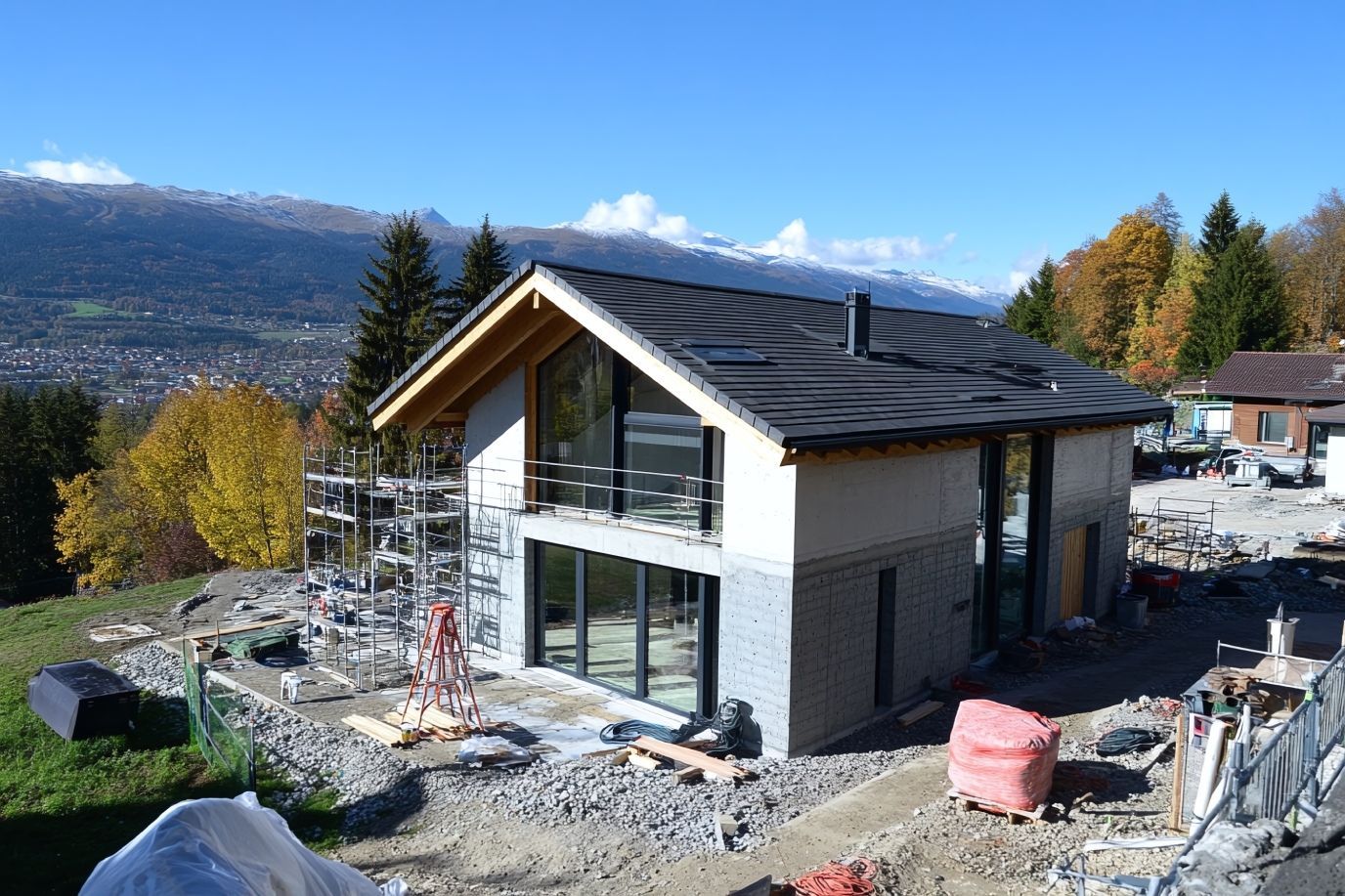
Full cabin restoration goes much deeper. It involves repairing, rebuilding, or replacing major structural elements to bring the cabin back to a safe, stable, and long-lasting condition. This is often necessary for older cabins or those that have suffered significant wear from moisture, pests, or years of neglect.
Restoration projects may include repairing or replacing rotted wood, reinforcing or rebuilding foundations, correcting structural shifts, replacing roofing systems, and addressing water damage. In many cases, restoration also involves bringing the cabin up to current building codes, which can require electrical, plumbing, and structural upgrades.
Unlike renovation, restoration prioritizes the integrity and longevity of the structure. While aesthetic improvements can be part of the process, the primary goal is to preserve or rebuild the cabin’s core framework so it remains safe and usable for years to come.
The biggest difference comes down to scope and purpose. Renovation is about upgrading and improving, while restoration is about repairing and preserving.
A renovation project is typically less invasive and more budget-friendly. It focuses on surface-level changes and modern conveniences. Restoration, on the other hand, is more intensive and often more expensive because it addresses deeper issues that affect the cabin’s structure and safety.
Another important distinction is timeline. Renovations are usually completed faster since they don’t involve major structural work. Restoration projects can take significantly longer, especially if hidden damage is discovered during the process.
Finally, the decision often depends on the condition of the cabin. If your cabin has visible signs of structural damage—such as sagging floors, leaning walls, or extensive wood rot—restoration is likely necessary. If the cabin is solid but outdated, renovation may be the better choice.
How to Know Which One Your Cabin Needs
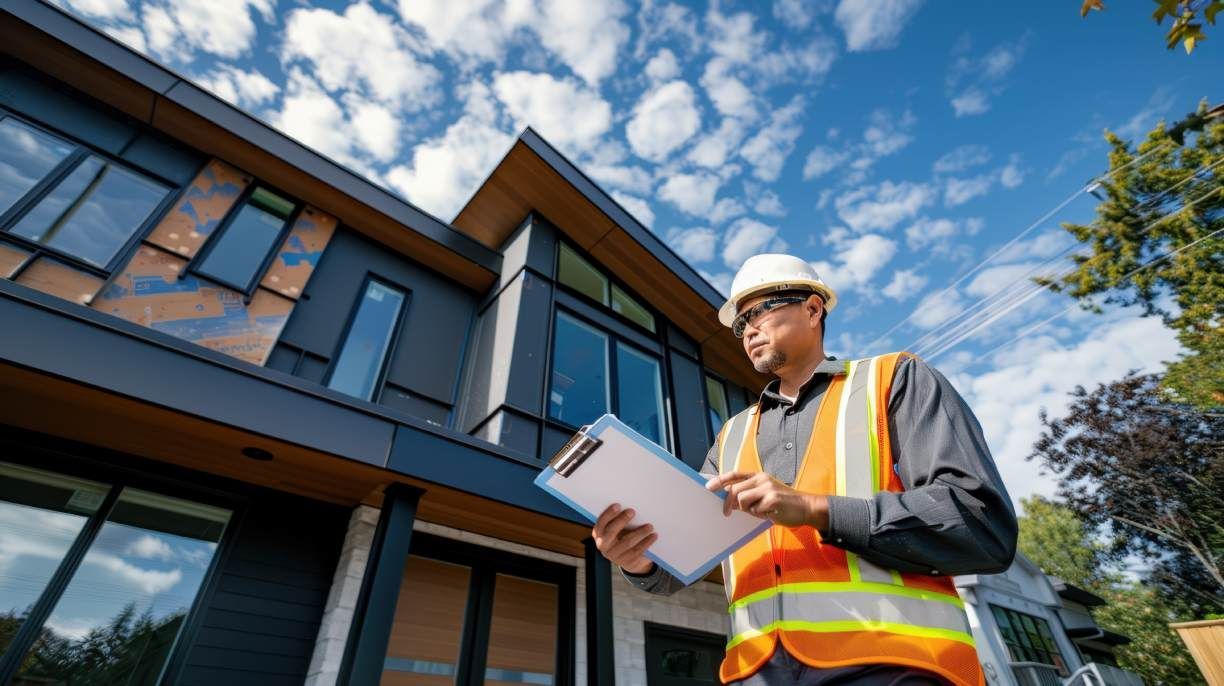
Determining whether you need a renovation or a full restoration starts with a thorough inspection. Many cabin issues, especially in mountain environments like Cedar Mountain, aren’t always visible on the surface. Moisture intrusion, foundation settling, and pest damage can all develop over time without obvious warning signs.
If your cabin feels drafty, looks outdated, or lacks modern features, renovation is usually sufficient. However, if you notice structural concerns—such as uneven floors, cracks in walls, or signs of water damage—it’s important to consider restoration before making cosmetic upgrades.
In some cases, projects fall somewhere in between. A cabin may need structural repairs in certain areas while also benefiting from cosmetic improvements. This hybrid approach is common and allows homeowners to address critical issues while still enhancing the look and feel of the space.
Why This Matters for Mountain Cabins
Cabins in Cedar Mountain face unique environmental challenges. High humidity, frequent rainfall, and fluctuating temperatures can accelerate wear and tear, especially on wood structures. Over time, these conditions can lead to rot, mold, and structural instability.
Because of this, it’s crucial not to overlook underlying issues. Renovating a cabin without addressing structural problems can lead to bigger—and more expensive—repairs down the road. A proper assessment ensures that your investment goes toward work that truly improves the cabin’s condition.
Choosing the Right Approach for Your Goals
Your decision should ultimately align with your goals for the property. If you’re looking to enhance comfort, update aesthetics, or prepare the cabin for rental use, renovation may be the right path. If your goal is to preserve a historic structure or ensure long-term durability, restoration is often the better investment.
Working with a contractor experienced in cabin restoration in Cedar Mountain, NC can help you evaluate your cabin’s condition and recommend the best course of action. They can identify hidden issues, outline realistic timelines, and ensure the work is done in a way that respects both the structure and its surroundings.
Understanding the difference between renovation and restoration allows you to move forward with confidence—knowing you’re making the right decision for your cabin today and for years to come.