How to Choose the Right Custom Home Builder for Your Dream Home in Cedar Mountain

October 29, 2025

Building a custom home in Cedar Mountain, NC is one of the most exciting journeys a homeowner can take. Nestled among the stunning Blue Ridge Mountains, Cedar Mountain offers breathtaking views, peaceful surroundings, and the perfect backdrop for creating a one-of-a-kind home. However, the success of your dream home project depends heavily on choosing the right custom home builder

. The right professional can turn your vision into reality, while the wrong choice can lead to frustration, delays, and costly mistakes.

Here’s a comprehensive guide to help you choose the perfect custom home builder for your dream home in Cedar Mountain.

1. Define Your Vision and Budget First

Before meeting with potential builders, it’s crucial to have a clear idea of what you want in your custom home.
Think about:

  • The size and layout of your home

  • Your preferred architectural style

  • Must-have features like outdoor living areas, large kitchens, or energy-efficient systems

Once you have a vision, determine a realistic budget. Knowing your financial limits helps you narrow down builders who can work within your price range. A reputable custom home builder in Cedar Mountain will listen carefully to your goals and provide accurate estimates that align with your budget and expectations.

2. Research Local Builders with Experience in Cedar Mountain

When it comes to building a home in an area like Cedar Mountain, local experience matters. Builders who are familiar with the local terrain, zoning regulations, and weather conditions can better anticipate challenges and provide effective solutions.

Look for builders with a strong reputation in the Cedar Mountain area and surrounding regions. Local builders often have established relationships with subcontractors, suppliers, and inspectors, ensuring a smoother construction process.

Check online reviews, testimonials, and social media pages. You can also ask neighbors or local real estate agents for recommendations. A builder’s reputation in the community speaks volumes about their reliability and craftsmanship

3. Review Their Portfolio and Past Projects

A builder’s portfolio is one of the best ways to evaluate their style and quality of work. Ask to see photos or tours of past projects,both completed and under construction.

Pay attention to:

  • The quality of finishes and materials used

  • Design consistency and attention to detail

  • How well the builder adapts to different architectural styles

Many custom home builders in Cedar Mountain take pride in showcasing homes that reflect the natural beauty of the area,using elements like stone, wood, and expansive windows to bring the outdoors in. Reviewing their past work will help you see if their design style matches your vision.

4. Verify Credentials, Licensing, and Insurance

Never overlook the importance of proper credentials. A professional and trustworthy custom home builder should be:

  • Fully licensed and insured

  • Compliant with local building codes

  • Up to date on state construction regulations

Ask for proof of insurance (both liability and worker’s compensation) to protect yourself from potential legal or financial issues during the building process. You can also check with the North Carolina Licensing Board for General Contractors to confirm that the builder’s license is current and valid.

5. Ask About the Building Process

Every builder has their own process, and it’s essential to understand how yours operates before signing a contract. A transparent and organized builder will take the time to explain each phase of construction,from design and permitting to final inspections.

Ask questions like:

  • What is the estimated project timeline?

  • How are changes or upgrades handled?

  • Will I have a dedicated project manager?

  • How frequently will I receive updates?

A reliable Cedar Mountain custom home builder will have a clear communication plan, keeping you informed every step of the way.

6. Visit Ongoing Job Sites

One of the most revealing ways to evaluate a builder is to visit an active construction site. This will give you firsthand insight into their work ethic, organization, and attention to safety.

Look for:

  • Clean and organized worksites

  • Respectful and professional crews

  • Quality craftsmanship in progress

Builders who maintain well-managed job sites usually bring the same level of care to every project they undertake,including yours.

7. Evaluate Communication and Compatibility

Building a custom home is a long-term project that requires trust, patience, and teamwork. That’s why it’s vital to choose a builder who communicates clearly and listens to your ideas.

During your initial consultations, notice how they respond to your questions and how much effort they put into understanding your goals. If you feel heard and valued from the start, it’s a good sign they’ll handle your project with the same respect.

In Cedar Mountain, many homeowners appreciate working with smaller, locally owned custom builders who offer personalized attention and direct access to the project owner or lead designer.

8. Understand the Warranty and Aftercare Services

A professional builder’s responsibility doesn’t end when the last nail is driven. Quality builders provide warranties and aftercare services to ensure your investment is protected.

Ask about:

  • Structural warranties

  • Workmanship guarantees

  • Follow-up visits after project completion

This not only provides peace of mind but also reflects the builder’s confidence in their craftsmanship. A dependable custom home builder in Cedar Mountain will stand behind their work long after move-in day.

9. Compare Quotes,But Don’t Base Your Decision on Price Alone

While pricing is an important factor, the cheapest option isn’t always the best. Builders who cut corners to offer lower prices may compromise on materials or craftsmanship, leading to long-term maintenance problems.

Instead, compare bids carefully to see what’s included. Look for transparency in the pricing structure, and ensure you’re comparing apples to apples when reviewing multiple estimates. The right builder will be upfront about costs, contingencies, and potential upgrades.

10. Trust Your Instincts

At the end of the day, trust plays a big role in choosing the right builder. If you have doubts or feel uneasy during your interactions, don’t ignore them. Building your dream home should be an enjoyable and exciting experience,not one filled with stress and uncertainty.

Choose a builder who aligns with your values, design vision, and communication style. When you find the right fit, you’ll feel confident and excited watching your custom home come to life in beautiful Cedar Mountain.

Conclusion

Building a custom home in Cedar Mountain, NC, is a rewarding experience when you have the right team by your side. The builder you choose will shape every detail of your project,from the foundation to the finishing touches. By doing your research, asking the right questions, and trusting your instincts, you can ensure your dream home is everything you’ve imagined,and more.

Whether you’re drawn to a rustic mountain retreat or a modern home surrounded by nature, partnering with a skilled custom home builder in Cedar Mountain ensures your vision becomes reality with quality, precision, and care.on in Cedar Mountain”?
September 4, 2026
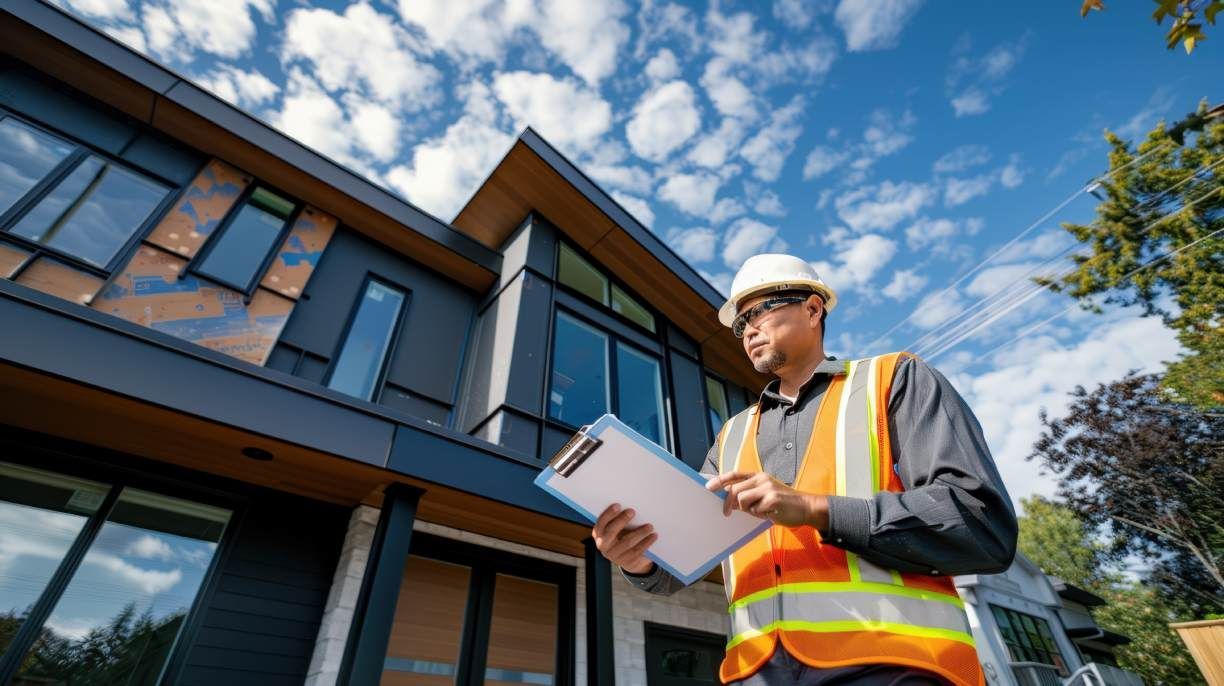
Whether you're planning a custom home, major renovation, home addition, or another residential construction project, choosing the right contractor is one of the most important decisions you'll make. The quality of the work matters, but so do communication, planning, budgeting, scheduling, and the contractor's ability to manage the project from beginning to end. For homeowners in Upstate South Carolina, there are plenty of contractors to choose from. Knowing what to look for can help you narrow down your options and find a residential contractor who is a good fit for both your project and your expectations. Here are some of the most important factors to consider before making your decision. 1. Start With the Type of Project You're Planning Not every residential contractor specializes in the same type of work. Before contacting contractors, define your project as clearly as possible. Are you building a new home? Renovating several rooms? Adding more living space? Making major structural changes to an existing property? A contractor who regularly handles projects similar to yours will be better positioned to understand the planning, materials, trades, and potential challenges involved. You don't necessarily need every detail figured out before your first conversation. However, having a basic understanding of your goals, approximate budget, and desired timeline will make it easier to determine whether a contractor is a good match. 2. Look for Experience With Residential Construction Experience matters, particularly for larger projects where many different elements have to come together. Residential construction may involve framing, roofing, electrical work, plumbing, HVAC, drywall, flooring, cabinetry, painting, and numerous finishing details. Depending on the project, several trades may need to work in a particular sequence. A qualified residential contractor helps coordinate these moving parts while keeping the overall project moving forward. Ask potential contractors about the types of residential projects they regularly complete and how they manage projects of a similar scope to yours. 3. Choose a Contractor Familiar With Upstate South Carolina Local experience can be particularly valuable. Construction practices aren't identical everywhere. Climate, local building requirements, permitting processes, lot conditions, architectural styles, and material considerations can all vary by region. A contractor familiar with Upstate South Carolina understands the conditions homes in the area face, including hot and humid summers, heavy rainfall, storms, and seasonal temperature changes. Local knowledge can also help when navigating municipal requirements and coordinating with suppliers and trades throughout the area. 4. Verify Licensing and Insurance
August 6, 2026
Building a custom home is one of the most exciting investments you'll ever make. Unlike purchasing an existing house, a custom build allows you to create a home that perfectly fits your lifestyle, design preferences, and future needs. However, without a well-planned budget, it's easy for costs to grow beyond expectations. Whether you're planning to build in Upstate South Carolina or Western North Carolina (WNC), understanding where your money goes—and how to prepare for unexpected expenses—can make the entire process smoother and far less stressful. From land preparation to final finishes, every decision affects your overall investment. Here's a complete guide to budgeting for your custom home so you can build with confidence. Start with a Realistic Overall Budget Before selecting floor plans or browsing design inspiration, determine how much you can comfortably invest in your new home. Your total budget should include more than just construction. Many homeowners underestimate the additional expenses that come before and after the actual build. A complete custom home budget typically includes: Land purchase Site preparation Architectural and design services Permits and inspections Construction costs Utility connections Driveways and landscaping Interior finishes Furniture and appliances Contingency funds Working backward from your maximum budget helps establish realistic expectations for square footage, materials, and features. Understand the Cost of the Land Every custom home starts with the right property. Land prices vary significantly throughout Upstate SC and Western North Carolina depending on location, views, accessibility, and available utilities. Some lots may appear affordable initially but require substantial site work due to: Steep slopes Rock excavation Tree clearing Soil stabilization Septic system installation Well drilling Long driveway construction Especially in the mountains of WNC, site preparation can represent a much larger portion of your budget than many first-time builders anticipate. Having an experienced builder evaluate your lot before purchasing can help prevent expensive surprises later. Account for Site Preparation Every property is unique. Before construction begins, your builder may need to complete several preparation steps, including: Grading Clearing vegetation Excavation Drainage improvements Temporary access roads Foundation preparation Erosion control measures Mountain properties often require additional engineering due to elevation changes, while rural properties may require more extensive utility work. These early costs are essential and should never be overlooked during budgeting.  Choose the Right Floor Plan
July 13, 2026
Building a custom home is one of the biggest investments you'll ever make. The builder you choose will influence everything from your home's quality and timeline to your overall experience throughout the project. With many contractors serving Upstate South Carolina, knowing what to look for can help you avoid costly mistakes and ensure your dream home becomes a reality. Here's what every homeowner should consider before selecting a custom home builder. Look for Local Experience Not all builders understand the unique conditions of Upstate South Carolina. A local builder should have experience with: Local building codes and permitting Soil conditions and lot preparation Weather patterns HOA requirements Relationships with trusted local suppliers and subcontractors Working with a builder familiar with Greenville, Spartanburg, Anderson, Easley, Travelers Rest, and surrounding communities often results in a smoother construction process. Review Previous Custom Home Projects A builder's portfolio tells you far more than their marketing. Look for: Homes similar to your style Quality craftsmanship Variety of floor plans Attention to detail Finished interior and exterior photos If possible, ask to tour completed homes or current construction projects. Read Reviews and Ask for References Online reviews provide valuable insight into how builders treat their clients. Pay attention to comments about: Communication Staying on schedule Budget management Problem-solving Warranty service after completion Don't hesitate to ask for references from recent homeowners. Understand Their Design and Building Process
June 3, 2026
Planning a kitchen or bathroom renovation is the perfect opportunity to improve more than just the appearance of your home. Many homeowners in Cedar Mountain, North Carolina are now looking for ways to make their homes more energy efficient while also increasing comfort, functionality, and long-term value. By choosing the right upgrades during a remodel, you can reduce utility costs, improve sustainability, and create a more modern living space that works better for your family. At Home Life Construction, we help homeowners combine beautiful design with practical improvements that make everyday life easier. Whether you are updating an outdated bathroom or creating your dream kitchen, energy-efficient features can make a major difference for years to come. Why Energy Efficiency Matters During Remodeling Kitchen and bathroom spaces are among the most frequently used areas in any home. They also account for a significant portion of water and energy consumption. Older appliances, inefficient lighting, poor insulation, and outdated plumbing fixtures can lead to unnecessary utility expenses every month. A remodeling project gives homeowners the chance to replace inefficient systems before they become bigger problems. Instead of simply focusing on aesthetics, many homeowners are investing in upgrades that provide long-term savings and environmental benefits. In mountain communities like Cedar Mountain, where seasonal weather changes can impact heating and cooling costs, energy-efficient improvements can also help maintain a more comfortable indoor environment throughout the year. Upgrade to Energy-Efficient Appliances One of the best investments during a kitchen remodel is replacing old appliances with newer energy-efficient models. Modern appliances use less electricity and water while delivering better performance. Popular energy-efficient kitchen upgrades include: ENERGY STAR refrigerators Induction cooktops Energy-saving dishwashers Convection ovens Smart appliances with programmable settings These newer systems are designed to reduce wasted energy without sacrificing convenience. Many homeowners also appreciate quieter operation and updated technology features. In bathrooms, energy-efficient upgrades can include better ventilation systems, low-energy exhaust fans, and modern heated flooring systems designed to operate efficiently.
May 4, 2026
If you’re planning to upgrade your home in Cedar Mountain, NC, you’ve probably come across the term “large-scale renovation.” But what does that actually mean—and how do you know if your project falls into that category? Understanding the difference between a simple remodel and a large-scale renovation is essential. It affects everything from budgeting and timelines to permits and contractor selection. In this guide, we’ll break down what qualifies as a large-scale renovation and what Cedar Mountain homeowners should expect before getting started. What Is a Large-Scale Renovation? A large-scale renovation typically involves major structural, functional, or layout changes to a home. Unlike small updates—like repainting walls or replacing flooring—these projects transform how the home looks, feels, and operates. In most cases, a renovation is considered “large-scale” if it includes: Structural modifications (removing or adding walls) Expanding the home’s footprint (room additions or second stories) Reconfiguring floor plans Full kitchen or multi-room remodels Upgrading major systems like plumbing, electrical, or HVAC Whole-home renovations For homeowners in Cedar Mountain, these projects are especially common when updating older homes or adapting properties for modern living.
April 2, 2026
Cabins in Cedar Mountain, NC carry a unique charm that homeowners want to preserve—but when it comes time to update or repair them, many people aren’t sure whether they need a renovation or a full restoration. While the terms are often used interchangeably, they represent very different scopes of work. Understanding the difference can help you make the right decision for your cabin, your budget, and your long-term goals. What Is Cabin Renovation? Cabin renovation focuses on improving the appearance, comfort, and functionality of a structure without fundamentally altering its core structure. This type of project is typically chosen when the cabin is still in relatively good condition but needs updates to meet modern living standards. Renovations often include cosmetic upgrades such as new flooring, updated kitchens or bathrooms, interior repainting or refinishing, and improved lighting. In mountain cabins, this might also involve upgrading insulation, replacing old windows, or installing more efficient heating systems to improve energy performance. The key characteristic of a renovation is that the structure itself remains largely intact. Walls, foundation, and major framing components are usually left untouched unless minor repairs are needed. Renovation is ideal for cabins that are structurally sound but outdated in style or functionality. What Is Full Cabin Restoration? Full cabin restoration goes much deeper. It involves repairing, rebuilding, or replacing major structural elements to bring the cabin back to a safe, stable, and long-lasting condition. This is often necessary for older cabins or those that have suffered significant wear from moisture, pests, or years of neglect. Restoration projects may include repairing or replacing rotted wood, reinforcing or rebuilding foundations, correcting structural shifts, replacing roofing systems, and addressing water damage. In many cases, restoration also involves bringing the cabin up to current building codes, which can require electrical, plumbing, and structural upgrades.  Unlike renovation, restoration prioritizes the integrity and longevity of the structure. While aesthetic improvements can be part of the process, the primary goal is to preserve or rebuild the cabin’s core framework so it remains safe and usable for years to come.
March 3, 2026
If you love living in Cedar Mountain but feel like your home no longer fits your needs, you’re likely facing a major decision: should you renovate your current home or move somewhere new? For many homeowners in Cedar Mountain, NC, this decision goes beyond square footage. It involves property values, limited housing inventory, mountain terrain considerations, and emotional attachment to a home and community. Before you list your house or start packing, let’s take a closer look at what makes the most sense in this unique mountain market. The Cedar Mountain Housing Market Reality Cedar Mountain is known for its peaceful setting, wooded properties, and close proximity to natural attractions like Dupont State Recreational Forest and Pisgah National Forest. But with that charm comes limited inventory. Homes in this area: Often sit on sloped or wooded lots May be older cabins or mountain-style builds Frequently require updates to meet modern standards Can vary widely in structural condition Because new listings are limited and desirable properties move quickly, homeowners may struggle to find a “perfect” replacement home without compromising on layout, location, or condition. This makes whole-home renovation an increasingly attractive alternative. The Case for Moving There are situations where moving makes sense. You may benefit from relocating if: You need significantly more land or a completely different neighborhood Your home has severe structural limitations The cost of renovation exceeds market value potential You’re relocating for work or lifestyle changes However, moving in Cedar Mountain isn’t always simple. Beyond purchase price, you must factor in: Realtor commissions Closing costs Moving expenses Potential bidding wars Renovation costs in the new home anyway  In many cases, buyers purchase a new home only to discover it still needs updates. The Case for Whole-Home Renovation
February 2, 2026
Cabins in Cedar Mountain, North Carolina, offer a unique blend of natural beauty, privacy, and rustic charm. But mountain weather, moisture, aging materials, and long periods of vacancy can take a serious toll on cabin structures. That’s why professional cabin restoration is essential for maintaining the safety, comfort, and long-term value of your property. At Home Life Construction , we specialize in cabin restoration in Cedar Mountain, NC, helping homeowners protect and revive their cabins while preserving the character that makes them special. Why Cabins in Cedar Mountain Need Specialized Restoration? Mountain cabins face challenges that standard homes often don’t. High humidity, frequent rainfall, temperature swings, and wooded surroundings can accelerate wear and hidden damage. Over time, these conditions can lead to issues such as wood rot, mold growth, foundation settling, roof deterioration, and compromised insulation. Many cabins in Cedar Mountain are also seasonal or vacation properties, meaning problems can go unnoticed for months. By the time they’re discovered, damage may be extensive and costly if not handled properly. Professional cabin restoration focuses on both visible repairs and underlying structural issues, ensuring the cabin remains safe, weather-resistant, and functional year-round.
January 5, 2026
Home renovation projects come in many sizes, but not every remodel qualifies as a large-scale renovation . For homeowners in Cedar Mountain, NC, understanding what separates a large renovation from a minor upgrade is essential when planning major improvements, setting budgets, and choosing the right contractor. Large-scale renovations involve more than cosmetic changes—they often transform how a home functions, looks, and performs for years to come. Defining a Large-Scale Home Renovation A large-scale home renovation typically involves extensive structural, mechanical, or layout changes that impact multiple areas of the home. Unlike a single-room remodel, these projects often require in-depth planning, professional design coordination, permits, and phased construction. In Cedar Mountain, large-scale renovations commonly include: Whole-home renovations or gut remodels Major structural changes, such as removing or relocating load-bearing walls Large additions or expansions Extensive exterior renovations combined with interior updates Upgrades to core systems like plumbing, electrical, HVAC, or foundations These projects require a higher level of expertise, project management, and coordination than smaller remodeling jobs. Whole-Home Renovations One of the most common large-scale renovation types is a whole-home renovation . This often involves updating multiple rooms at once—such as kitchens, bathrooms, living areas, and bedrooms—while also improving layout, energy efficiency, and structural integrity. In Cedar Mountain, whole-home renovations are especially popular for older homes that need modernization or mountain properties that were originally built as seasonal residences and are now being converted into full-time homes. Structural Changes and Layout Redesigns Any renovation that alters the structure of a home qualifies as large-scale. This includes removing walls to create open floor plans, reinforcing framing, or reconfiguring interior layouts for better flow and functionality.  Structural renovations require careful planning and skilled execution to ensure safety, code compliance, and long-term durability. These projects also often involve engineers and inspectors, making professional oversight critical. Home Additions and Expansions
December 2, 2025
Large scale renovations are more than simple updates. They involve careful planning, building expertise, and a trusted partner who understands the needs of local homeowners in Cedar Mountain, NC. Whether someone is expanding their living space, updating an aging structure, or transforming an old mountain home into a modern retreat, large renovations require the right foundation long before the first hammer swings. This article explores what homeowners should know when taking on major remodeling projects and why working with a dedicated team like Home Renovations Contractor makes the process smoother, faster, and more rewarding. Transforming a property on a large scale begins with proper vision and planning. Homeowners often start with a rough idea of what they want, but translating those ideas into workable plans requires experience. Before any demolition or construction takes place, it is essential to evaluate the structure, take measurements, identify design limitations, and assess the condition of the plumbing, electrical systems, and framework. Older homes around Cedar Mountain often hold years of history, so opening walls, relocating utilities, or adding new structural elements must be done with knowledge and precision. Another important factor in large renovation projects is functionality. Expanding a kitchen, converting unused spaces, building a new wing, or opening up a living room shouldn’t be driven by visual aesthetics alone. Every decision should serve both purpose and comfort. A renovation that blends modern convenience with long-term practicality elevates not just the look of a home but its value and livability. From the flow of foot traffic to how light enters the room, functionality is at the heart of a successful remodel.  Budgeting is equally crucial. Large scale renovations involve multiple phases, and homeowners need a clear financial plan from the very beginning. This includes material choices, labor hours, finishing styles, and possible surprises that may surface during construction. Trusted professionals guide homeowners through estimated costs and provide realistic expectations so that the project is completed with confidence. Transparent planning avoids unnecessary spending and ensures that every phase moves forward without delays.