The Ultimate Guide to Budgeting for a Custom Home Build in Upstate SC & WNC
Building a custom home is one of the most exciting investments you'll ever make. Unlike purchasing an existing house, a custom build allows you to create a home that perfectly fits your lifestyle, design preferences, and future needs. However, without a well-planned budget, it's easy for costs to grow beyond expectations.
Whether you're planning to build in Upstate South Carolina or Western North Carolina (WNC), understanding where your money goes—and how to prepare for unexpected expenses—can make the entire process smoother and far less stressful. From land preparation to final finishes, every decision affects your overall investment.
Here's a complete guide to budgeting for your custom home so you can build with confidence.
Start with a Realistic Overall Budget
Before selecting floor plans or browsing design inspiration, determine how much you can comfortably invest in your new home.
Your total budget should include more than just construction. Many homeowners underestimate the additional expenses that come before and after the actual build.
A complete custom home budget typically includes:
- Land purchase
- Site preparation
- Architectural and design services
- Permits and inspections
- Construction costs
- Utility connections
- Driveways and landscaping
- Interior finishes
- Furniture and appliances
- Contingency funds
Working backward from your maximum budget helps establish realistic expectations for square footage, materials, and features.
Understand the Cost of the Land
Every custom home starts with the right property.
Land prices vary significantly throughout Upstate SC and Western North Carolina depending on location, views, accessibility, and available utilities.
Some lots may appear affordable initially but require substantial site work due to:
- Steep slopes
- Rock excavation
- Tree clearing
- Soil stabilization
- Septic system installation
- Well drilling
- Long driveway construction
Especially in the mountains of WNC, site preparation can represent a much larger portion of your budget than many first-time builders anticipate.
Having an experienced builder evaluate your lot before purchasing can help prevent expensive surprises later.
Account for Site Preparation
Every property is unique.
Before construction begins, your builder may need to complete several preparation steps, including:
- Grading
- Clearing vegetation
- Excavation
- Drainage improvements
- Temporary access roads
- Foundation preparation
- Erosion control measures
Mountain properties often require additional engineering due to elevation changes, while rural properties may require more extensive utility work.
These early costs are essential and should never be overlooked during budgeting.
Choose the Right Floor Plan
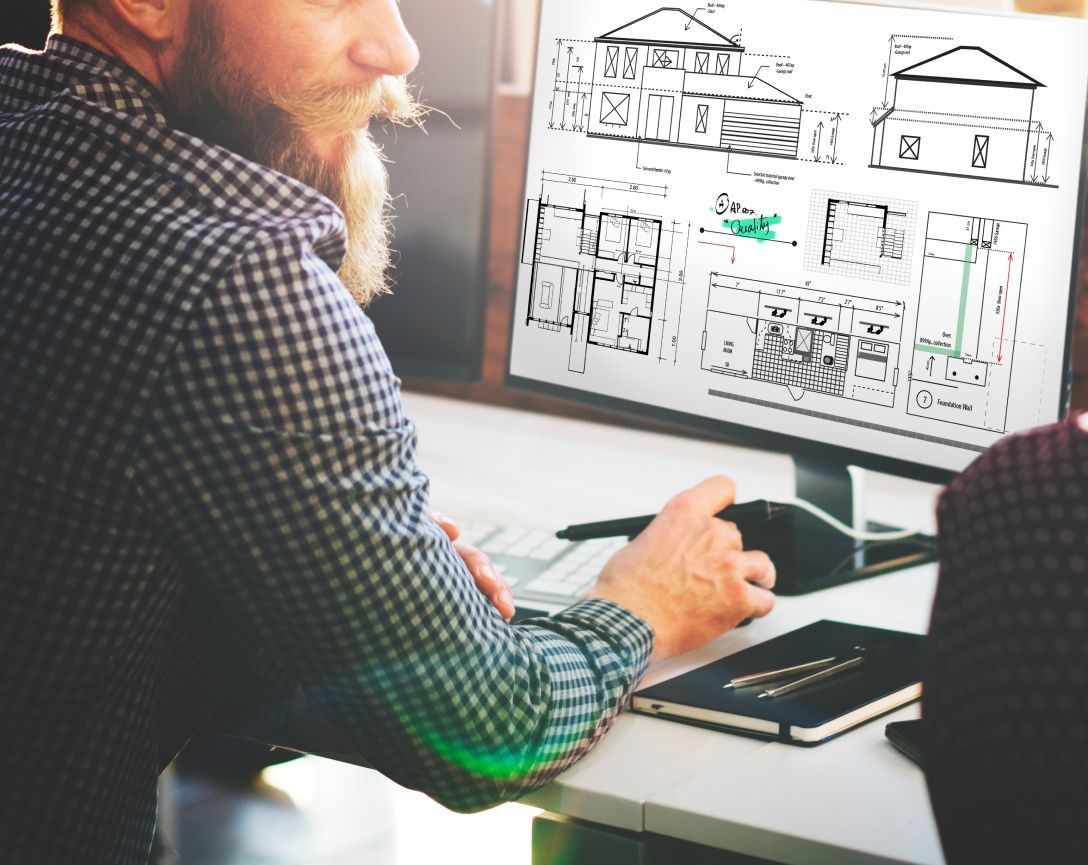
One of the biggest factors affecting construction cost is the home's design.
Larger homes naturally require more materials and labor, but complexity also plays a major role.
Features that typically increase costs include:
- Multiple rooflines
- Complex foundations
- Vaulted ceilings
- Large window walls
- Custom staircases
- Multiple decks
- Luxury outdoor living areas
A thoughtfully designed floor plan that emphasizes functionality over unnecessary complexity often delivers better long-term value.
Experienced custom builders can recommend design adjustments that reduce construction costs without sacrificing style.
Prioritize Must-Have Features
It's easy to become overwhelmed by endless customization options.
Instead of upgrading everything, divide your wish list into three categories:
Must-Haves
These are features that are difficult or expensive to add later, such as:
- Larger garages
- Additional bedrooms
- Home offices
- Open floor plans
- Covered porches
- Energy-efficient construction
Nice-to-Haves
Items that improve comfort but could potentially wait include:
- Built-in shelving
- Luxury lighting
- Premium flooring
- High-end countertops
- Custom trim packages
Future Upgrades
Some improvements can easily be added later, such as:
- Outdoor kitchens
- Swimming pools
- Finished basements
- Detached workshops
- Extensive landscaping
This approach keeps your initial budget under control while allowing room for future enhancements.
Understand Material Choices
Material selections have one of the largest impacts on your final investment.
Everything from roofing and siding to flooring and cabinetry comes in multiple quality levels.
Rather than selecting the most expensive option throughout the home, many homeowners choose to invest in areas they use every day while selecting more budget-friendly materials elsewhere.
For example, you might prioritize:
- High-quality kitchen cabinets
- Durable flooring
- Energy-efficient windows
- Better insulation
- Premium roofing materials
While choosing more economical options for secondary bathrooms, guest rooms, or decorative finishes.
A balanced approach often provides the best return on investment.
Don't Forget Mechanical Systems
Many homeowners focus heavily on visible finishes while overlooking the systems that keep the home comfortable.
Your budget should include quality investments in:
- HVAC systems
- Plumbing
- Electrical systems
- Water heaters
- Smart home wiring
- Ventilation
- Backup power options if desired
Higher-quality systems often improve energy efficiency and reduce long-term maintenance costs.
Plan for Energy Efficiency
Building a custom home offers the perfect opportunity to reduce future utility bills.
While energy-efficient upgrades may increase initial construction costs, they often save homeowners money over the life of the home.
Popular investments include:
- Spray foam insulation
- High-performance windows
- Energy-efficient HVAC equipment
- Tankless water heaters
- LED lighting
- Smart thermostats
- Advanced air sealing
In both Upstate SC and WNC, where temperatures fluctuate throughout the year, energy-efficient construction improves comfort while lowering monthly expenses.
Include Exterior Improvements
Many first-time custom home budgets focus only on the house itself.
However, exterior work often represents a significant investment.
Be sure to account for:
- Driveways
- Walkways
- Retaining walls
- Landscaping
- Irrigation
- Decks and patios
- Fencing
- Exterior lighting
Mountain homes, in particular, may require additional retaining walls or drainage systems due to sloped terrain.
Including these costs early helps avoid financial surprises near project completion.
Prepare for Unexpected Expenses
Even the best-planned projects can encounter unforeseen costs.
Weather delays, material price changes, hidden site conditions, or owner-requested modifications can affect the final investment.
Most builders recommend maintaining a contingency fund of approximately 10% to 15% of your overall project budget.
Having this financial cushion reduces stress and allows decisions to be made based on what's best for the home rather than immediate budget limitations.
Avoid Frequent Mid-Project Changes
One of the fastest ways to increase construction costs is making design changes after building has begun.
Changing layouts, moving plumbing, upgrading finishes, or altering structural elements once construction is underway often results in:
- Additional labor
- Material waste
- Project delays
- Higher overall costs
Taking time during the planning phase to finalize selections helps keep the project on schedule and within budget.
Work with an Experienced Custom Home Builder
Perhaps the most valuable budgeting decision you'll make is choosing the right builder.
An experienced custom builder provides realistic estimates, helps prioritize spending, identifies potential cost-saving opportunities, and guides homeowners through every stage of the process.
Transparent communication and detailed planning create fewer surprises and a more enjoyable building experience.
A trusted local builder also understands regional construction requirements, permitting processes, weather considerations, and the unique characteristics of building throughout Upstate South Carolina and Western North Carolina.
Build Your Dream Home with Confidence
Creating a custom home doesn't have to mean sacrificing financial peace of mind. With thoughtful planning, realistic expectations, and the guidance of an experienced builder, you can create a home that reflects your lifestyle while staying within your investment goals.
At Home Life Construction, we work closely with
homeowners throughout Upstate SC and WNC to develop customized building plans, transparent budgets, and exceptional craftsmanship from the first consultation through final completion. If you're ready to begin planning your dream home, our team is here to help you make informed decisions every step of the way.